Bureaucracy Shouldn't Separate Families
Someone I know married the love of his life. She's from Turkey, with Iranian roots. They did everything right: paperwork, interviews, waiting. Months turned into a year. She still can't come to Germany.
They're married, but they live in different countries because a system that was built for a unified Europe can't process their case fast enough.
This isn't a rare story. Ask anyone who's tried to bring a spouse, hire a foreign worker, or register a residence across EU borders. The promise of free movement is real on paper. In practice, it's a maze of disconnected offices, paper forms, and wait times that stretch beyond six months.
I've spent my career in IT, dealing with complex systems, security frameworks, and the kind of process optimization that most people find deeply boring. But this problem isn't boring. It's personal. And I couldn't stop thinking: we send documents across the planet in milliseconds, but a residence permit takes half a year because two government offices can't talk to each other.
What if we fixed the plumbing?
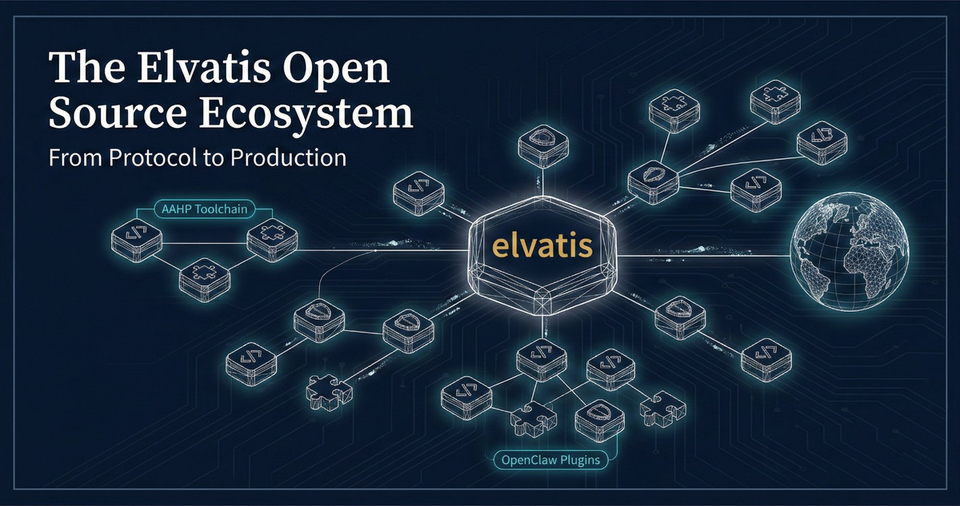
I've been quietly building something. A platform that connects government systems across European borders, so citizens don't have to be the messenger between bureaucracies.
The idea is simple, even if the execution isn't:
- A citizen opens an app, describes what they need
- The system identifies the right authority, the right process, the right documents
- Identity verification happens digitally, using the upcoming EU Digital Identity Wallet
- Documents get pre-validated before a caseworker ever sees them
- The caseworker gets a clean, structured package instead of a pile of paper
No personal data is stored. Everything is processed in memory and discarded. The citizen stays in control of their information at all times.
Why now?
Three things are converging that make this possible for the first time:
eIDAS 2.0 is rolling out across the EU. By 2027, every member state must offer a digital identity wallet. That's the missing piece: a standardized way to prove who you are, across borders, without visiting an office.
AI got good enough to pre-screen applications. Not to decide (that's still a human job), but to catch missing documents, flag inconsistencies, and route requests correctly. The kind of work that currently takes a caseworker 45 minutes can be reduced to a 5-minute review.
Open source infrastructure matured to the point where you can build sovereign, GDPR-compliant systems without depending on a single cloud provider. No vendor lock-in. No data leaving EU jurisdiction.
What this isn't
This isn't a startup pitch. I'm not looking for funding or trying to disrupt anyone. Government infrastructure shouldn't be a product you sell. It should be public infrastructure, like roads.
This is an open source project. The code will be public. The architecture is documented. Anyone can audit it, fork it, improve it. If a government wants to use it, they can. If another developer wants to build on it, they should.
What's next
The technical foundation is solid. Multiple country connectors are built and tested. The compliance framework covers GDPR, eIDAS, and national security standards. What's missing is the human side: conversations with people in public administration who see the same problem and want to fix it.
If you work in government digitalization, public administration, or EU policy, I'd love to talk. Not to sell you anything, just to compare notes. Because the technical part is the easy part. The hard part is getting institutions to try something new.
I'll share more details soon, including the architecture and the open source repository. For now, I just wanted to say: this exists, it works, and it's built by someone who got angry enough about a broken system to do something about it.
Because bureaucracy shouldn't separate families.