AEGIS: Defense & Resilience - The "Military Schengen" in Practice
Europe’s defense capability isn't just about hardware; it's about forms. How do we move convoys across borders without drowning in paperwork? A look at AEGIS as a dual-use interoperability layer for crisis response.
In previous articles, we talked about digital identity and the macro strategy of sovereignty. Today, we’re looking at a much sharper edge of the problem: Resilience and Crisis Response.
You might have heard the term "Military Schengen." It’s the idea that military personnel and equipment should be able to move across EU borders as freely as citizens do.
Right now, that is a pipe dream.
The Problem: Friction is Dangerous
Here is the reality of European defense logistics today: If you want to move a convoy from the Netherlands to Poland, you don't just drive. You file forms.
You need diplomatic clearances. You need hazardous material transport permits (every tank carries fuel and ammo). You need road usage approvals. You need customs transit documents.
And you need them from three or four different nations, each with their own forms, their own IT systems (or fax machines), and their own processing times.
In a crisis, friction isn't just annoying. It costs time we don't have. Tanks standing idle at a border crossing because a PDF hasn't been signed is a failure of infrastructure.
The Solution: Docking, Not Changing
We cannot wait twenty years to harmonize the legal codes of 27 nations. We can't expect every country to rip and replace their logistics IT.
AEGIS acts as the Universal Interoperability Layer.
The core principle is "Docking, not Changing."
- We don’t force nations to change their internal processes.
- We don't replace their sovereignty.
- We build an intelligent adapter on top.
Use Case: The Automated Convoy March Order
Let’s look at how this works in practice with a concrete scenario: A unit relocation from the Netherlands (NL) via Germany (DE) to Poland (PL).
Step 1: Single Source Input
A logistics officer enters the mission parameters once into the AEGIS interface: vehicle types, weights, hazardous material classes, route, and time window. They don't need to know the specific form for a German heavy transport permit.
Step 2: Orchestration (The Translation)
AEGIS takes that intent and breaks it down.
- For Germany: It generates the specific road usage permit application for tracked vehicles, adhering to StVO and Bundeswehr regulations.
- For Poland: It generates the required customs and transit declarations.
It "translates" the mission into bureaucracy.
Step 3: Execution
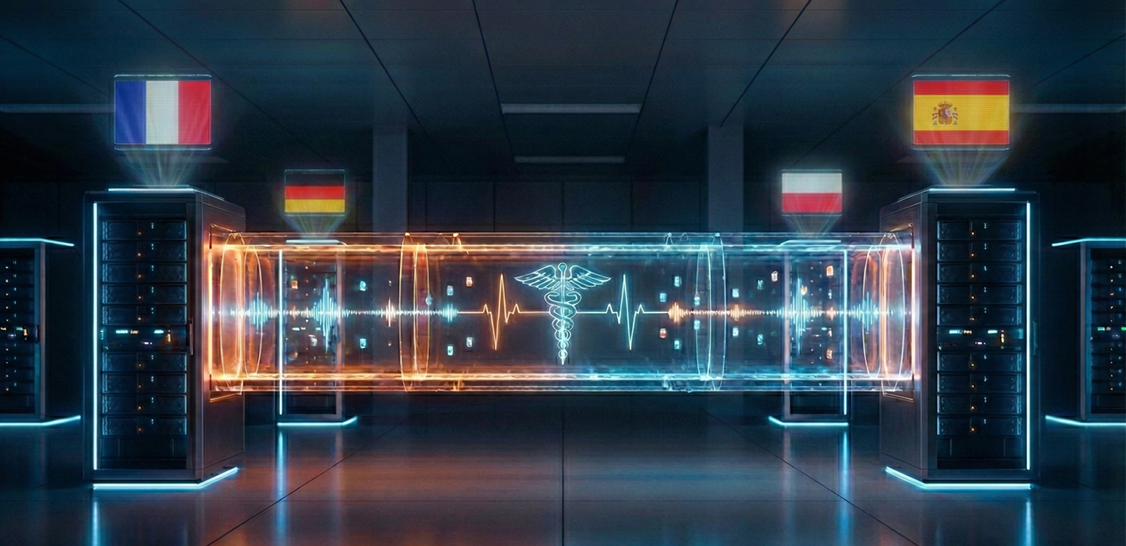
The system submits these applications in parallel to the respective national nodes. It doesn't matter if the national system is a modern API or a legacy portal - AEGIS handles the interface.
Step 4: Real-Time Status
The command staff sees a unified dashboard. Green means approved. Red means inquiry. No more chasing emails or phone calls across three languages.
Result: We reduce administrative lead time from days to hours.
Dual-Use: Not Just for Defense
This isn't just about tanks. The exact same infrastructure applies to Civil Protection.
Imagine a flood disaster or a pandemic response. You need to move fire trucks, technical relief units, or medical supplies across borders instantly.
- Disaster Relief: Rapid deployment of THW or civil protection units.
- Humanitarian Aid: Coordinating aid convoys without them getting stuck in customs chaos.
Security & Sovereignty
Because this deals with movement data, the security architecture is non-negotiable.
- Zero-Persistence: AEGIS does not build a shadow database of troop movements. Data is processed in RAM and wiped after the transaction is complete.
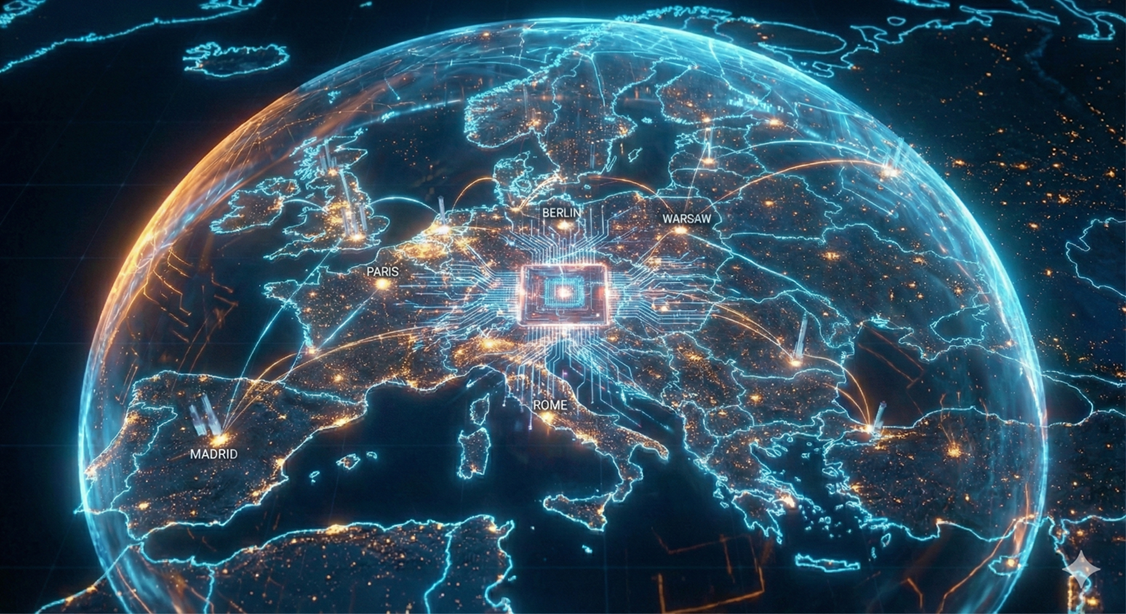
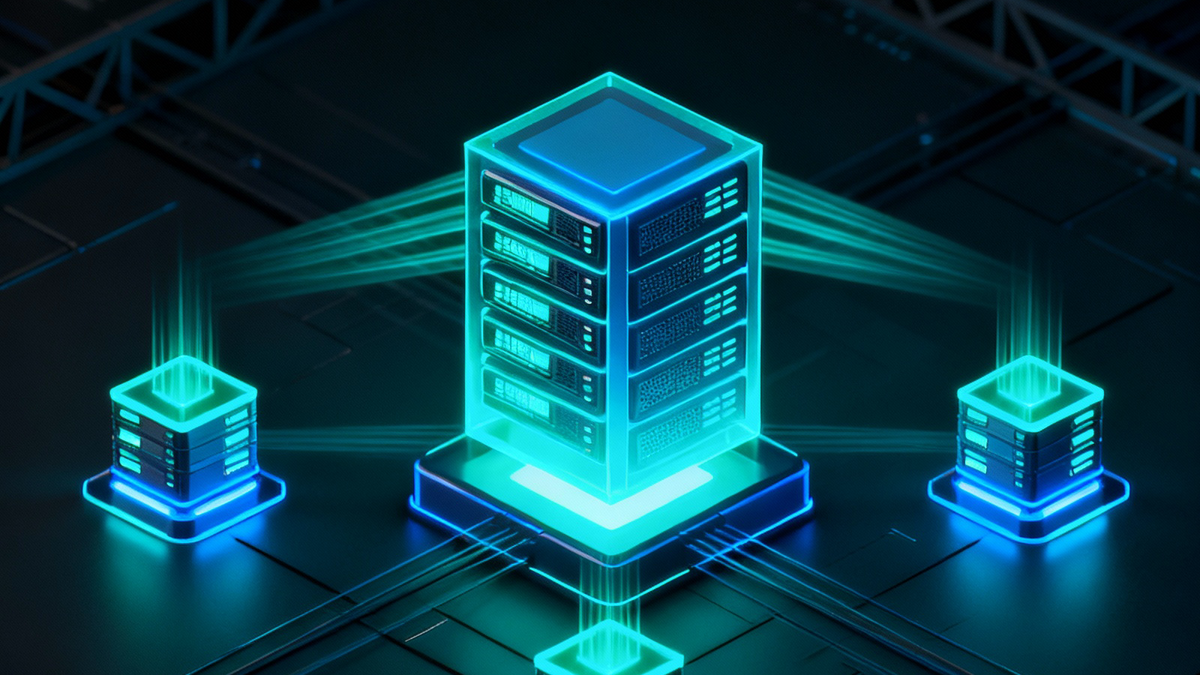
- Decentralized Resilience: There is no single central server to target. If one node goes down, the rest of the network survives.
- EU Infrastructure: Everything runs on certified European cloud infrastructure (SecNumCloud, BSI C5), shielded from non-EU jurisdiction.
Conclusion
We often talk about "European Defense" in terms of buying new jets or forming new battalions. But logistics is the backbone of capability.
One cannot wait for perfect political harmonization. We need operational capacity now. AEGIS provides the technical bridge to connect national silos today, ensuring free passage for security through invisible bureaucracy.